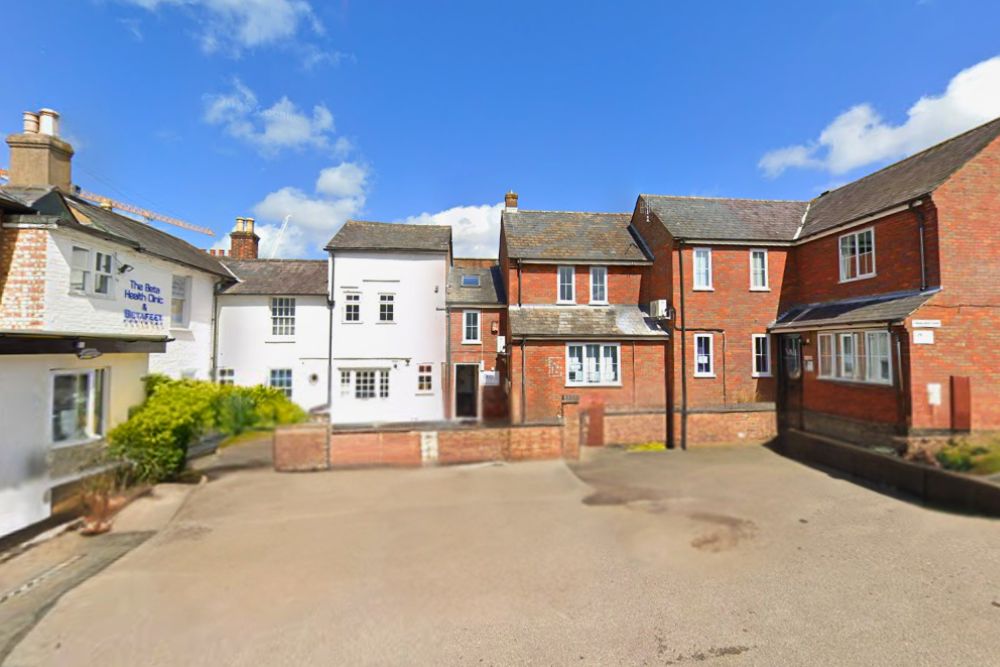
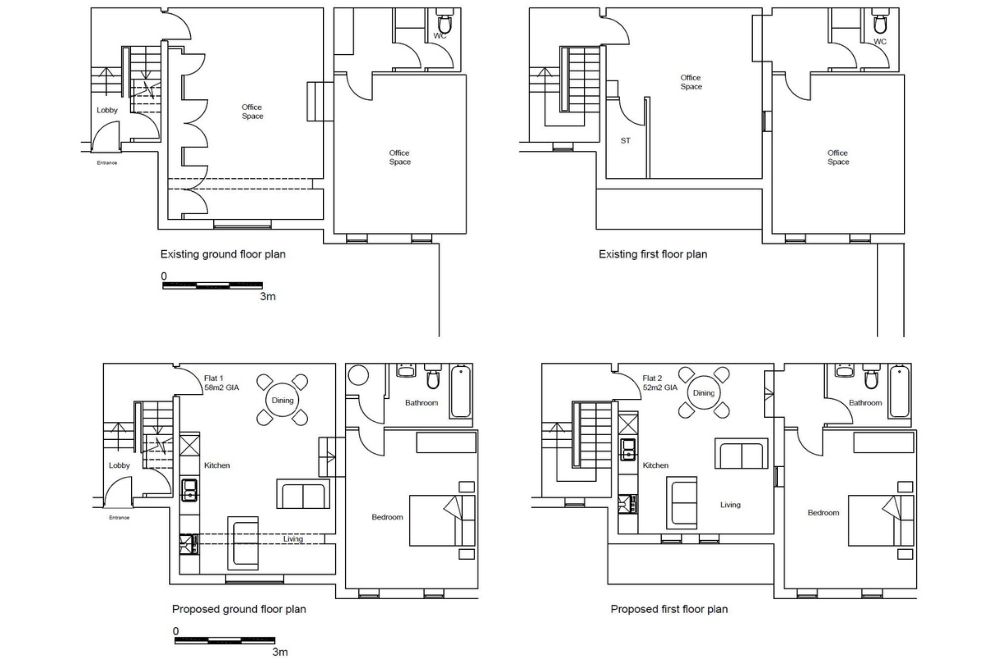
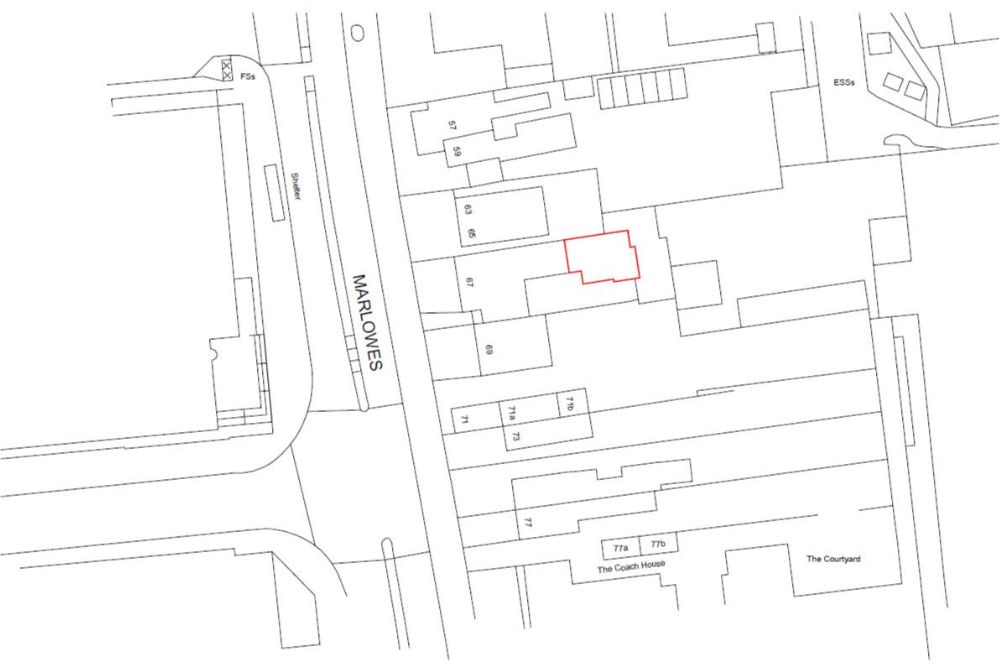
We were commissioned to undertake a Heritage Impact Assessment for proposals to redevelop our client’s site in Hemel Hempstead, involving the conversion of office space into two residential apartments. The application site is located to the rear of a Grade II listed building, first designated in 1977, and is considered part of its designation by virtue of its physical attachment, as well as being curtilage listed.
Hemel Hempstead has a long history, with evidence of activity from the Roman period and early references from the 8th century, later appearing in the Domesday Book as ‘Hamelhamstede’. The town expanded during the 18th and 19th centuries due to its strategic location and transport links, before being designated a New Town after the Second World War. Although limited planning history is available for Marlowes Court, it appears to have remained largely in office use, with residential conversion approved in 2001 and similar proposals withdrawn in 2008.
We were commissioned to undertake a Heritage Impact Assessment for proposals to redevelop our client’s site in Hemel Hempstead, involving the conversion of office space into two residential apartments. The application site is located to the rear of a Grade II listed building, first designated in 1977, and is considered part of its designation by virtue of its physical attachment, as well as being curtilage listed.
Hemel Hempstead has a long history, with evidence of activity from the Roman period and early references from the 8th century, later appearing in the Domesday Book as ‘Hamelhamstede’. The town expanded during the 18th and 19th centuries due to its strategic location and transport links, before being designated a New Town after the Second World War. Although limited planning history is available for Marlowes Court, it appears to have remained largely in office use, with residential conversion approved in 2001 and similar proposals withdrawn in 2008.